Обслуживание бассейнов in 2024: what's changed and what works
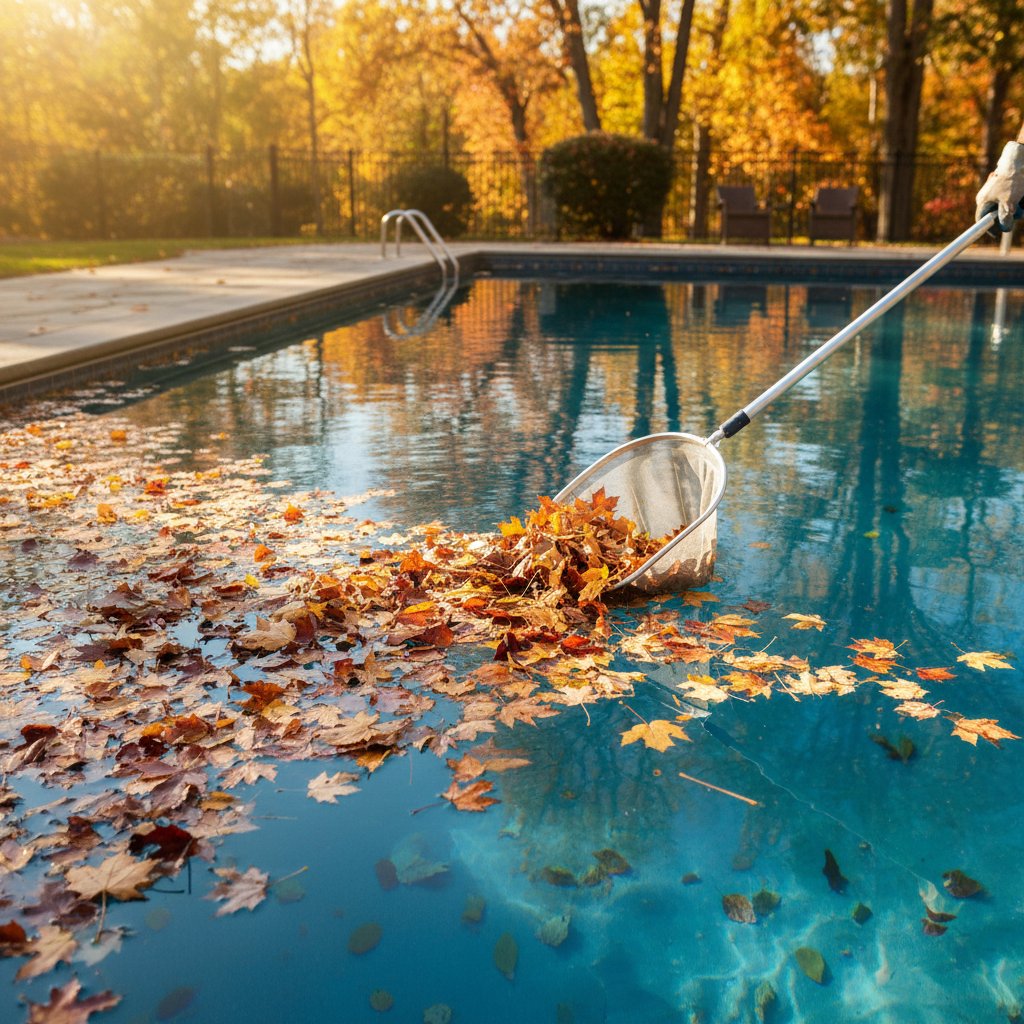
Pool maintenance has always been part science, part art. But 2024 has brought some genuine shifts in how we're keeping our pools sparkling—from automation that actually works to chemical alternatives that won't bleach your swimsuit. If you've been maintaining pools the same way since 2019, you're probably working harder than you need to.
Let's break down what's actually different this year and what timeless practices still hold up.
What's New and What Still Works in Pool Care
1. Robotic Cleaners Have Finally Earned Their Keep
Remember when robotic pool cleaners were expensive toys that got stuck in corners? Those days are done. The 2024 models use AI mapping that actually remembers your pool's shape. They're running around $800-$1,500 for decent units, but they're cutting manual cleaning time by about 70%. The Dolphin Nautilus CC Supreme and Polaris Freedom both launched this year with gyroscopic navigation—meaning they stop doing that annoying "bumping into the same wall for 20 minutes" routine.
Here's the thing though: you still need to brush your walls weekly. These robots handle floors and waterlines beautifully, but algae doesn't care about technology. It clings to textured surfaces, and no robot brush matches the pressure you can apply manually. Fifteen minutes with a good nylon brush once a week prevents problems that take hours to fix later.
2. Salt Systems Are Going Mainstream (With Good Reason)
Saltwater chlorination systems jumped from 23% to 41% of residential pools in just three years. The upfront cost runs $1,200-$2,500 for installation, but you're looking at roughly $80 per season in salt versus $300-$500 in traditional chlorine tablets. The cells last 3-5 years before needing replacement at around $400-$700.
The real win isn't just cost—it's consistency. These systems generate chlorine continuously, so you're not dealing with those wild swings between "just shocked the pool" and "forgot to add tablets for a week." Your pH stays more stable, your skin doesn't feel like sandpaper after swimming, and you're not hauling heavy buckets of chemicals. That said, you still need to check salt levels monthly and clean the cell every three months. It's not a "set and forget" miracle, just a significant improvement.
3. UV Sanitization Is No Longer Just for Commercial Pools
UV systems have dropped from $3,000+ to around $600-$1,200 for residential setups. They install inline with your filter system and blast water with UV-C light that destroys 99.9% of pathogens. This means you can reduce chlorine usage by 50-80%—not eliminate it entirely, but cut it substantially.
The catch? You need proper flow rates. If your pump runs less than 8 hours daily, UV systems lose effectiveness. They only sanitize water that passes through them, so circulation matters more than ever. The bulbs also need replacing annually at $150-$300, but most pool owners find the reduced chemical smell and irritation worth it. Kids with sensitive skin have noticeably fewer red eyes and itchy reactions.
4. Variable Speed Pumps Are Now Required (And Actually Save Money)
New Department of Energy regulations that kicked in July 2021 are finally affecting the replacement market in 2024. Single-speed pumps are essentially dead. Variable speed models cost $800-$1,600 versus $300-$500 for old single-speeds, but they're slashing energy bills by 50-75%. A typical single-speed pump costs about $80-$130 monthly to run; variable speed drops that to $20-$40.
The ROI hits around 18-24 months, after which you're just pocketing savings. Program them to run at lower speeds during filtration and ramp up only for vacuuming or water features. Most pool owners are running 8-hour cycles at 1,200-1,500 RPM instead of the old 3,450 RPM constant blast. Your water gets just as clean while your electric meter barely notices.
5. Water Testing Has Gone Digital (But Test Strips Still Matter)
Smart water monitors like Sutro, pHin, and Blue Connect now float in your pool and send readings to your phone. They run $300-$500 and track pH, chlorine, temperature, and sometimes alkalinity in real-time. You get alerts when chemistry drifts, which prevents problems before they start.
But here's the reality check: these devices need calibration every 2-4 weeks using manual test kits anyway. They're excellent for tracking trends and catching issues early, but you can't abandon old-school testing entirely. A $15 Taylor K-2006 test kit still gives you the most accurate readings for alkalinity, calcium hardness, and cyanuric acid. Think of digital monitors as your early warning system and manual testing as your verification method. Together, they're powerful. Alone, each has blind spots.
6. Enzyme Treatments Are the Unsung Heroes
Natural enzyme products have been around forever, but 2024 formulations are significantly more concentrated. They break down oils, lotions, and organic contaminants that make water feel "heavy" even when chemistry looks perfect. Adding 4-8 ounces weekly costs about $20-$30 monthly but reduces filter cleaning frequency by roughly 40%.
These aren't miracle workers—they won't fix green swamp water. But they prevent the buildup that leads to cloudy water and that weird waterline scum that's part sunscreen, part body oils, part mystery gunk. Pools that use enzymes consistently need deep cleanings maybe twice per season instead of monthly. Your filter pressure stays lower, your water sparkles brighter, and you use less shock because there's less organic material consuming your chlorine.
Pool maintenance in 2024 is smarter, not necessarily easier. The tools have improved dramatically, but they work best when paired with consistent basics: brush weekly, balance chemistry twice weekly, clean filters monthly. Technology handles the grunt work and gives you better data, but it can't replace attention and routine. The pools that look best aren't necessarily using the fanciest equipment—they're the ones getting regular, informed care from owners who understand that prevention beats correction every single time.