Frequently Asked Questions

Find answers to common questions about pool maintenance and our services

The frequency depends on several factors including pool usage, location, and season. For residential pools in London, we recommend weekly visits during the swimming season (May to September) and fortnightly visits during autumn and spring. Winter maintenance can be monthly unless the pool remains heated and in use.

Commercial pools require daily checks and professional servicing 2-3 times per week due to higher bather loads and stricter health regulations. Outdoor pools exposed to trees and debris may need more frequent attention, while indoor pools in controlled environments can sometimes extend intervals between visits.

Essential chemicals include chlorine or alternative sanitisers (bromine, salt systems), pH adjusters (pH increaser and decreaser), alkalinity increaser, calcium hardness increaser, and algaecide. The specific products depend on your pool type and water source.

We test seven parameters during each visit: free chlorine (1.0-3.0 ppm), pH (7.2-7.6), total alkalinity (80-120 ppm), calcium hardness (200-400 ppm), cyanuric acid (30-50 ppm for outdoor pools), total dissolved solids, and phosphates. London's water typically has high calcium content, which affects chemical requirements. Our technicians adjust dosing based on actual test results rather than generic schedules.

Cloudy water results from multiple causes beyond chlorine levels. Poor filtration accounts for 60% of cases - this includes inadequate pump run times (should be 8-12 hours daily), dirty filter media, or undersized equipment. Chemical imbalance, particularly high pH above 7.8, reduces chlorine effectiveness by 50%.

Other factors include high calcium hardness creating scale, elevated total dissolved solids from evaporation and refilling, algae in early stages before visible green colour appears, and environmental contaminants like pollen or dust. We diagnose the specific cause through comprehensive water testing and filter inspection, then implement targeted solutions rather than simply adding more chemicals.

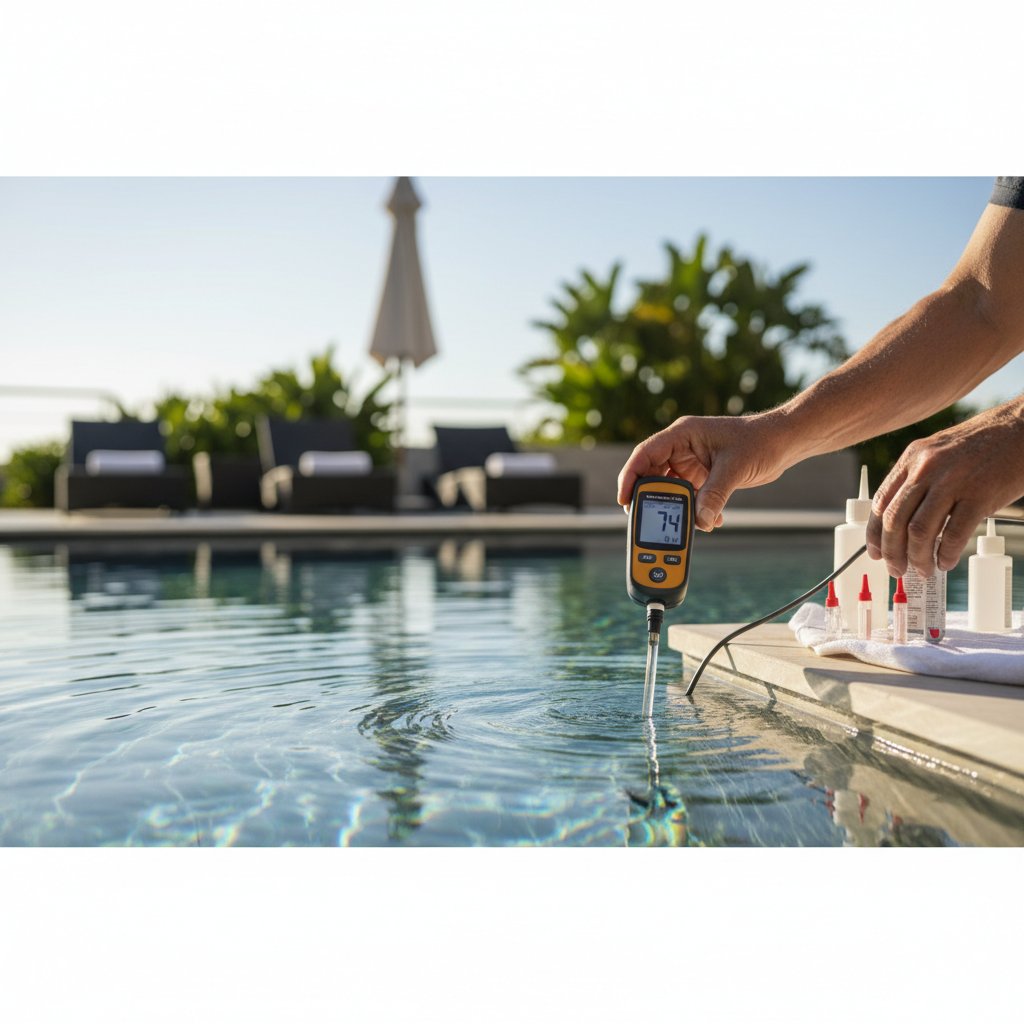
Each visit includes water testing with digital equipment, chemical balancing, skimming surface debris, emptying skimmer and pump baskets, brushing walls and floor, vacuuming (manual or automatic system check), backwashing or cleaning filters as needed, and inspecting equipment operation.

We also check water level, examine pool surfaces for damage or staining, test all safety equipment, verify proper circulation, and document all readings in your service log. Equipment inspections cover pump operation, filter pressure, heater function if applicable, automatic chlorinator or salt cell condition, and timer settings. Any issues discovered are reported immediately with recommended actions and cost estimates.

UK winters rarely require full drainage. We recommend partial winterisation: balance water chemistry thoroughly, shock treat with chlorine, add winter algaecide, lower water level 10-15cm below skimmer, remove and store removable fittings, drain equipment that could freeze (pumps, filters, heaters), and cover the pool with a winter cover.

For heated indoor pools or those remaining operational, maintain normal chemical levels but reduce filtration to 4-6 hours daily. Run pumps during coldest hours to prevent freezing. Check weekly for debris accumulation under covers and monthly chemical testing. Spring reopening involves removing covers, refilling to proper level, equipment restart, shock treatment, and 48-hour filtration before swimming.

Green water indicates algae growth from insufficient sanitiser, poor circulation, or phosphate accumulation. Treatment severity depends on colour intensity: light green requires shock chlorination (triple normal dose), medium green needs quadruple shock plus algaecide, dark green demands complete treatment protocol.

Our process includes brushing all surfaces to break algae colonies, shocking to 10-20 ppm chlorine, adding algaecide after 24 hours, running filtration continuously for 48-72 hours, daily brushing and vacuuming, and backwashing filters 2-3 times during treatment. Water typically clears within 3-5 days. We then address root causes - upgrading sanitiser systems, improving circulation, or implementing phosphate removal - to prevent recurrence.

Sand filters need media replacement every 5-7 years when sand becomes rounded and loses filtration efficiency, indicated by consistently cloudy water despite backwashing. Cartridge filters require replacement when pleats show damage, fabric deterioration, or cleaning no longer restores proper flow - typically 2-3 years with quarterly cleaning.

Diatomaceous earth (DE) filters need grid replacement every 3-5 years when grids crack or fabric tears. Warning signs include rising pressure despite backwashing, decreased flow rate, DE powder returning to pool, or inability to maintain water clarity. We measure pressure differentials and flow rates during inspections to determine actual condition rather than relying solely on age.

Salt systems generate chlorine from salt through electrolysis, providing steadier sanitiser levels and softer water feel. Initial installation costs £800-2000 but reduces ongoing chemical purchases by 60-70%. Cells require replacement every 3-5 years at £300-600. Salt systems work well in London's moderate climate.

However, they still produce chlorine, require pH monitoring (systems raise pH), need salt level maintenance at 3000-4000 ppm, and can corrode certain materials. Traditional chlorine offers lower equipment costs, simpler operation, and easier troubleshooting. Neither system is universally superior - choice depends on budget, pool usage, and maintenance preferences. Both require regular professional servicing for optimal performance.

High demand occurs when chlorine dissipates quickly despite regular addition. Primary causes include algae presence consuming sanitiser, high bather load introducing contaminants, elevated water temperature accelerating chlorine breakdown, and sunlight degradation in outdoor pools without stabiliser.

Other factors include phosphate contamination from fertilisers or detergents, ammonia or nitrogen compounds creating chloramines, and organic debris decomposition. We address this through shock treatment to break chloramines, adding cyanuric acid (30-50 ppm) as UV protectant, phosphate removal treatment, and identifying contamination sources. Proper stabiliser levels can reduce chlorine consumption by 40-60% in outdoor pools.

Filtration should cycle all pool water at least once daily. For typical residential pools (30,000-50,000 litres), this requires 8-12 hours of pump operation. Calculate by dividing pool volume by pump flow rate. A 40,000-litre pool with 8,000 litres/hour pump needs 5 hours minimum, but we recommend 8-10 hours for adequate circulation and chemical distribution.

During peak season or heavy use, increase to 12-14 hours. Split operation into two periods if electricity rates vary - run during off-peak hours when possible. Heated pools or those with water features may need continuous operation. Variable speed pumps can run 24 hours at lower speeds, providing better filtration while using less energy than single-speed pumps running 8 hours.

Pump issues include unusual noises (grinding, squealing), reduced flow rate, leaking seals, overheating, or failure to prime. Filter problems show as rising pressure above 10 psi over clean baseline, water bypassing filter, or visible damage to housing. Heater warnings include failure to reach temperature, error codes, corrosion, or gas odours.

Other concerns: automatic cleaners not moving properly, salt cells with calcium buildup or error lights, timers not switching correctly, and visible cracks in equipment housings. Address issues promptly - a small leak can become major damage, and running faulty equipment risks complete failure. We provide emergency repairs within 24 hours for critical equipment and schedule routine repairs during regular visits.

Yes, we offer emergency services for urgent situations including equipment failure, major leaks, water contamination, or safety concerns. Emergency response is available to existing maintenance clients within 4 hours during business hours and 8 hours outside normal times. Services cover Greater London and surrounding areas within the M25.

Emergency situations requiring immediate attention include pump failure in heated pools (risk of freezing damage), major leaks causing property damage, complete loss of sanitisation in commercial pools, or equipment creating safety hazards. Non-urgent issues like minor cloudiness or routine equipment replacement can be scheduled during regular visits. Emergency call-out fees apply outside contracted maintenance hours, with costs varying by time and location.

About DwellingBasics
Pool maintenance services in London

Our Story

DwellingBasics was established in 2015 when a group of certified pool technicians recognized a gap in the London market for reliable, thorough swimming pool care. What started as a small operation serving residential clients in South London has grown into a trusted name across the capital.

Our founder, with 18 years of experience in water treatment and filtration systems, built the company on a straightforward principle: pools require consistent, knowledgeable attention to remain safe and functional. We've maintained this focus while expanding our team to 12 qualified technicians who service over 300 pools monthly.

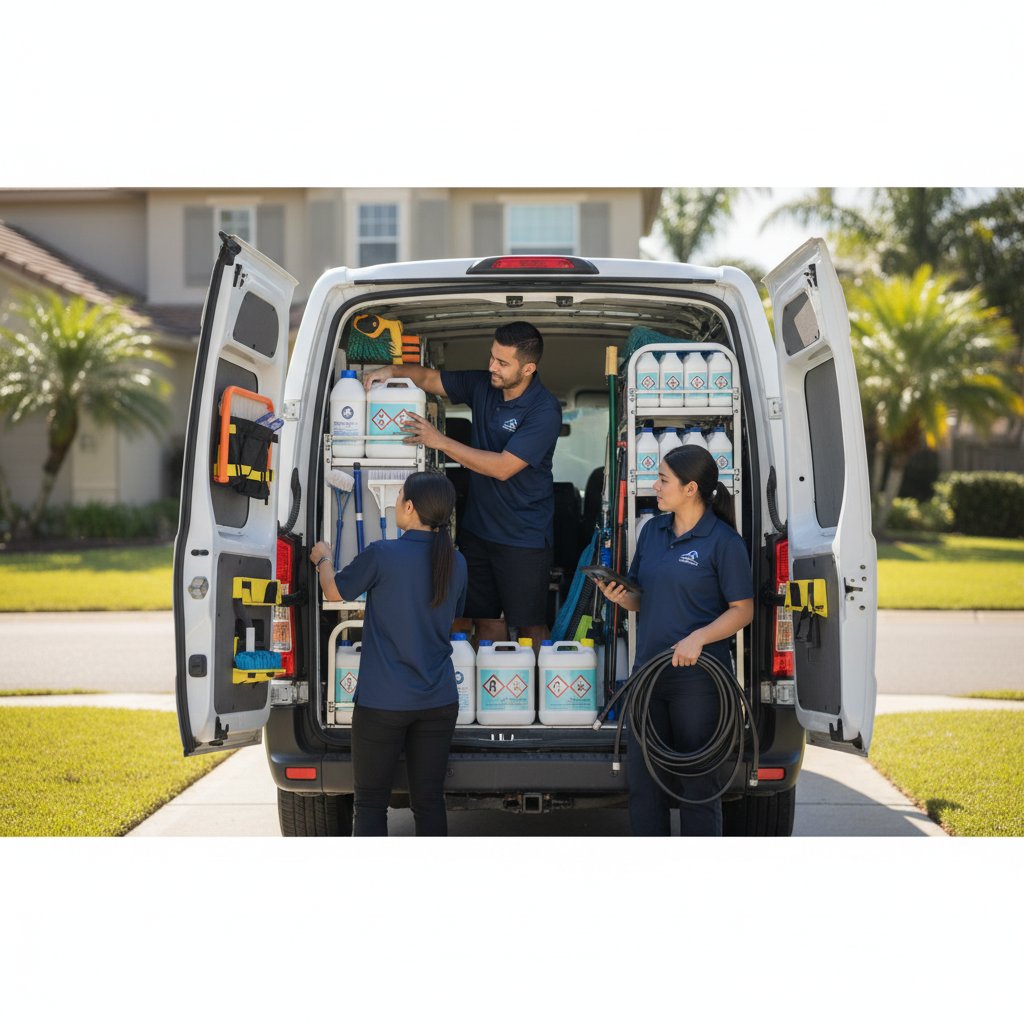
From our base on Elmfield Road, we coordinate maintenance schedules, stock genuine replacement parts, and dispatch teams equipped with calibrated testing equipment. Each technician completes annual training on current British Standards for pool water quality and safety protocols.
Professional pool cleaning team

What We Do

We handle the technical aspects of pool ownership so you don't have to. Our services cover chemical balancing using laboratory-grade test kits, filter system inspection and cleaning, pump maintenance, and seasonal preparation. We work with both chlorine and saltwater systems, indoor and outdoor installations.

Our approach involves scheduled visits where technicians check 8 water parameters, clean skimmer baskets and pump strainers, brush surfaces, vacuum debris, and document all readings. You receive a digital report after each visit showing pH levels, chlorine concentration, alkalinity, and any adjustments made.

Our Expertise

Nine years of operation has given us hands-on experience with various pool types and common issues specific to the London area. Hard water requires different treatment than soft water. Outdoor pools in areas like Wandsworth face different challenges than indoor pools in Kensington.

  • Residential pools from 15,000 to 50,000 litres capacity
  • Commercial facilities including hotel pools and fitness centres
  • Sand, cartridge, and DE filtration systems from major manufacturers
  • Variable speed pumps and energy-efficient equipment
  • Automated chemical dosing systems and controllers
  • Pool heating systems including heat pumps and gas heaters

Core Values

Reliability

We arrive during scheduled time windows and complete work as quoted. Our technicians carry backup equipment and maintain stock vehicles to handle common repairs on-site without return visits.

Transparency

Every service includes documented water test results and photos of equipment condition. We explain what needs attention now versus what can wait, with clear pricing for additional work.

Knowledge

Our team holds PWTAG (Pool Water Treatment Advisory Group) certifications and attends quarterly training on new equipment and regulations. We stay current with HSE guidelines for pool operation.

Our Mission

We aim to make pool ownership practical by handling the technical work competently and consistently. Pools should be ready when you want to use them, without requiring you to become an expert in water chemistry or mechanical systems. That's the service we provide to homes and businesses throughout London.

Operating from our South London location, we serve clients within a 25-mile radius, with most appointments scheduled between 9:00 and 18:00 on weekdays. Our office at 17 Elmfield Road coordinates all service calls and maintains client records going back to our first year of operation.